BIOGRAPHY
From a little town in Italy to global impact — built on work ethic, punk instinct, visual identity, and controlled chaos.
Every act of creation begins with an act of destruction.
Every act of creation begins with an act of destruction.
Bob Rifo was not born in a capital city.
He came out of Bassano del Grappa, a small town in Northern Italy where dreams were not discussed at the dinner table. Work came first. You fixed things. You carried weight. You kept your head down and got on with it.
That kind of place either makes you disappear or teaches you pressure.
Rifo took the second road.
Before The Bloody Beetroots became a name on festival posters, before the mask, before the flights, before the noise crossed oceans and started appearing in clubs, films, games, and television screens around the world, there was a boy learning two languages at the same time.
One was discipline.
The other was escape.
The first came from work. From family. From factories, offices, routines, responsibility. The kind of education nobody puts on a wall, but everybody sees when things get hard.
The second came from punk records, comics, street culture, anti-heroes, bad taste, good taste, violence, elegance, and the strange Italian ability to turn damage into design.
Somewhere between those two languages, The Bloody Beetroots started to form.
Not as a brand.
Not as a costume.
As a way out.
The mask arrived later, but the idea was already there: remove the face, sharpen the symbol, let the work speak louder than the person wearing it.
In 2006, Rifo built The Bloody Beetroots as a collision point for everything he had been carrying. Punk attitude. Classical structure. Club pressure. Graphic violence. Melody. Distortion. Cinema. Sweat.
The early version was a DJ set, but it never behaved like one.
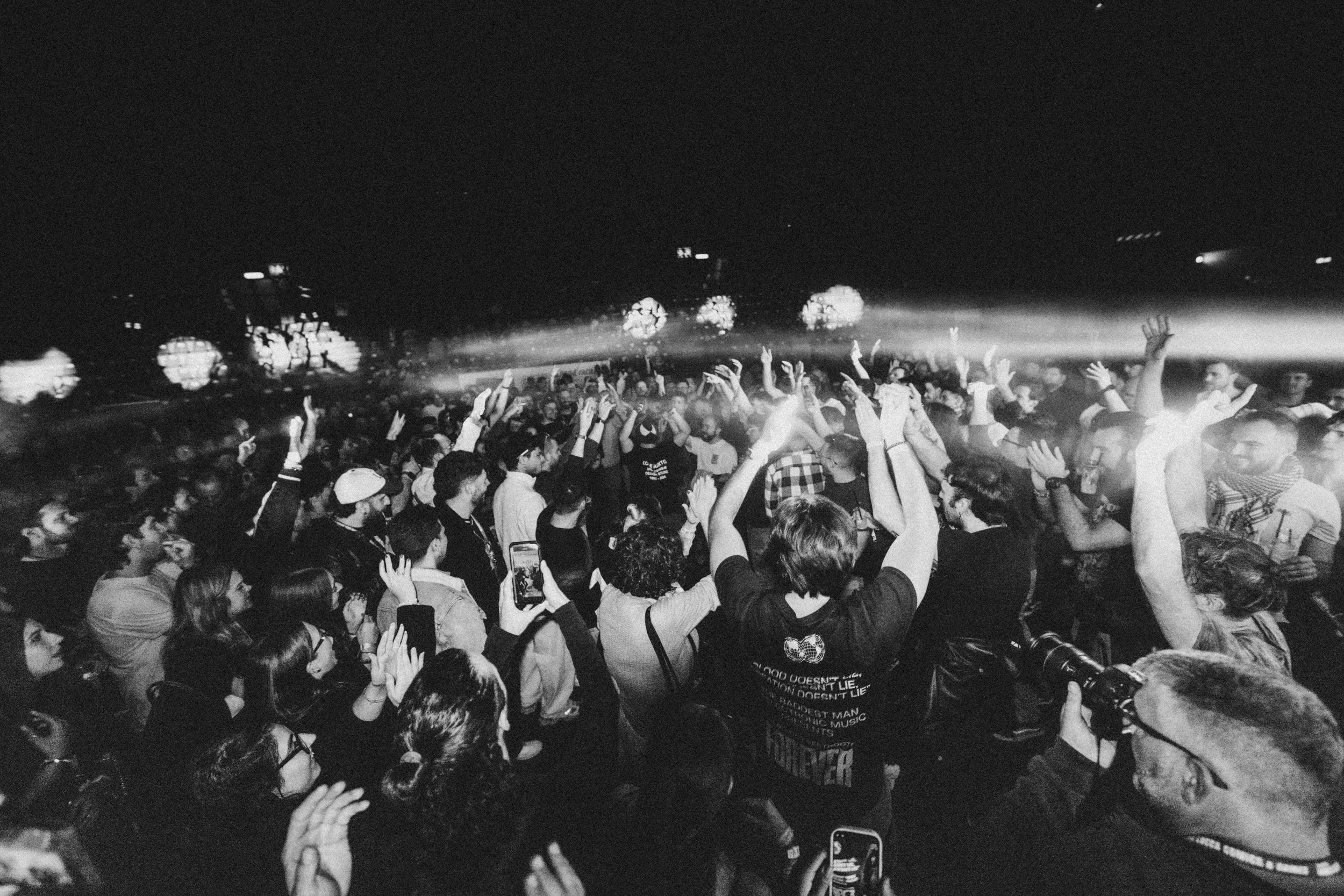
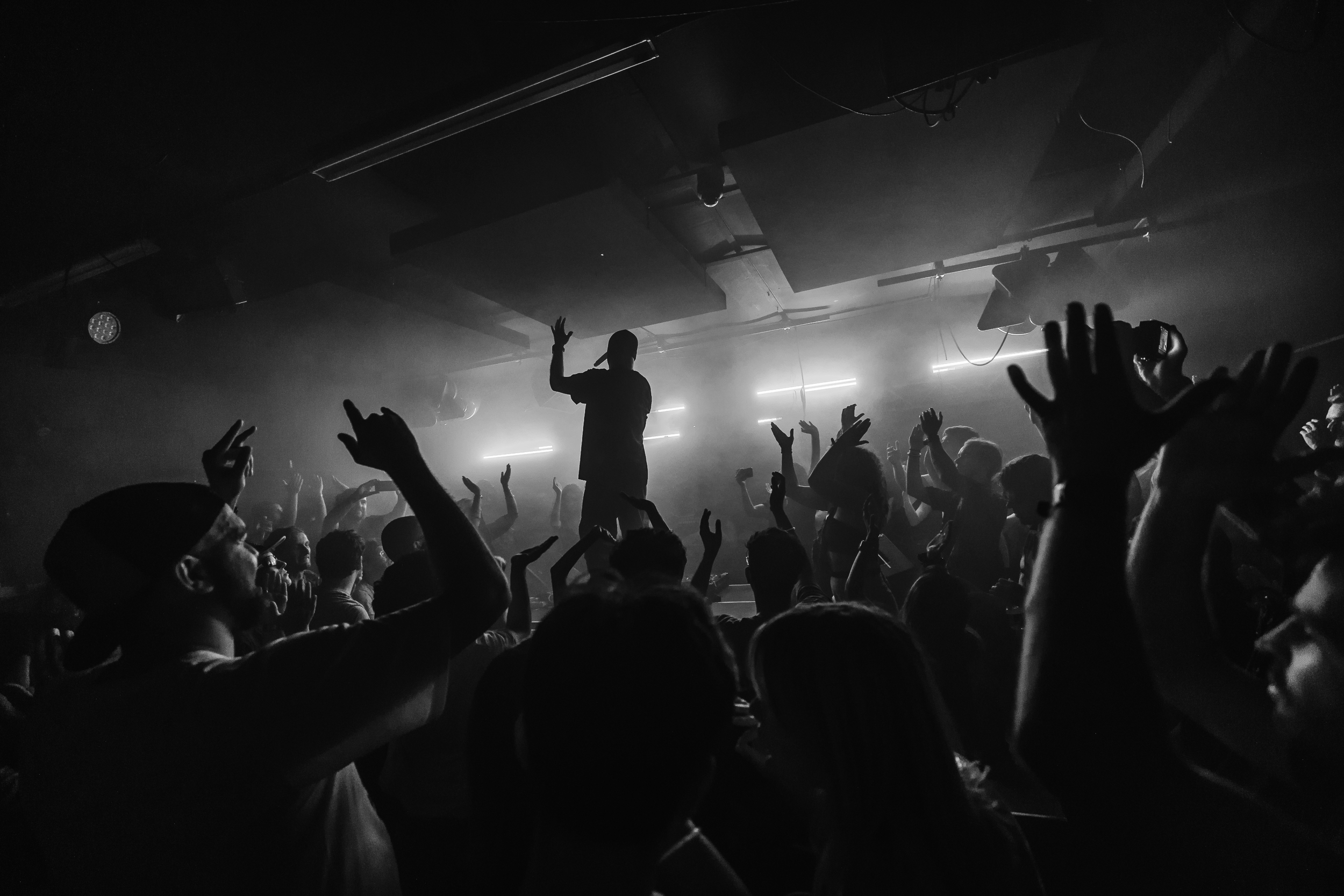
It was too physical. Too aggressive. Too stubborn to sit neatly inside electronic music. The records hit like machinery. The shows felt more like raids than performances. There was a booth, yes, but the booth was never the point.
The point was impact.
At the beginning, Tommy Tea was part of the live setup and helped move the first version of the project into the world. But the language, the writing, the architecture and the direction came from Rifo. The Bloody Beetroots was his machine, and the machine was already looking for a larger body.
So it changed.
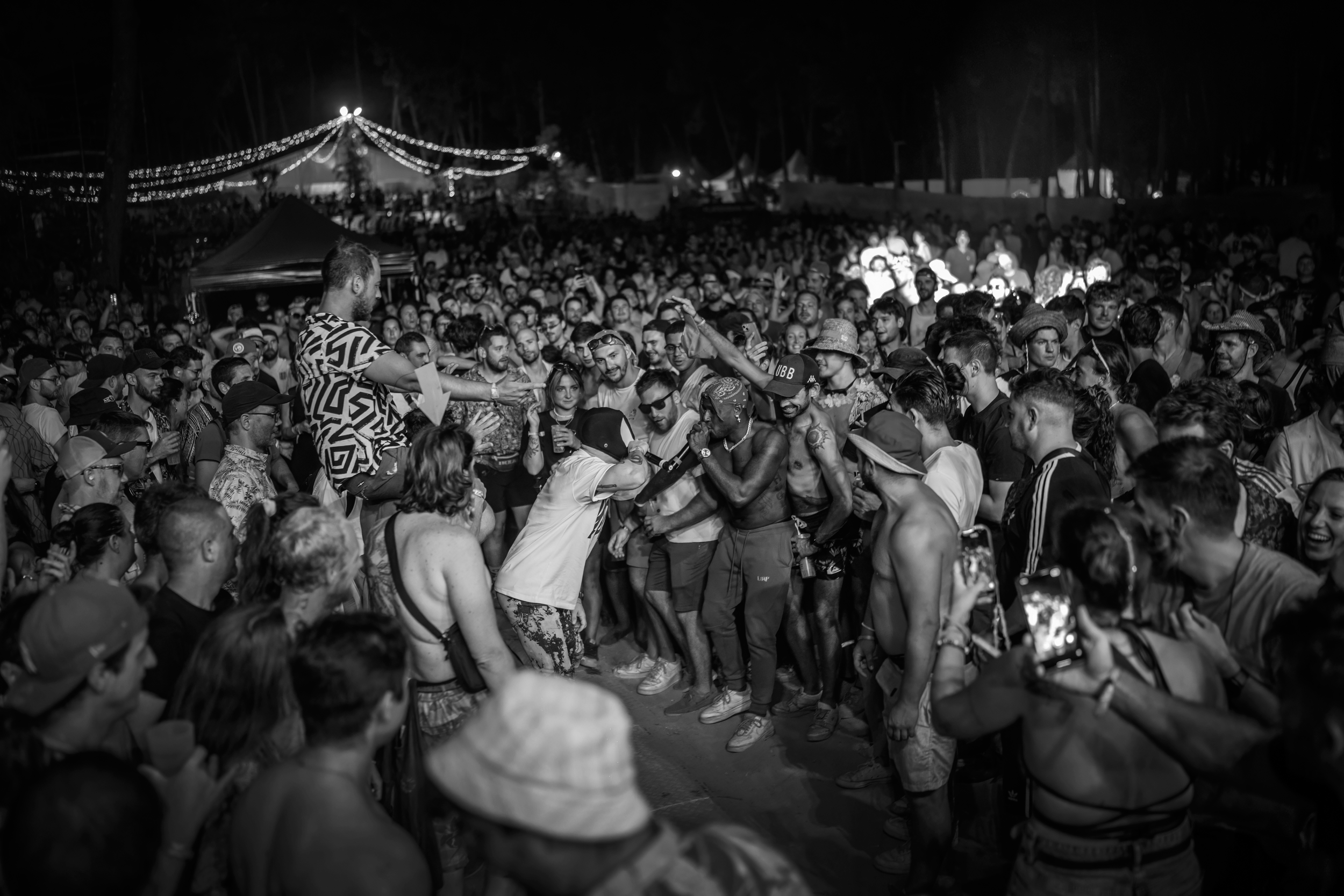
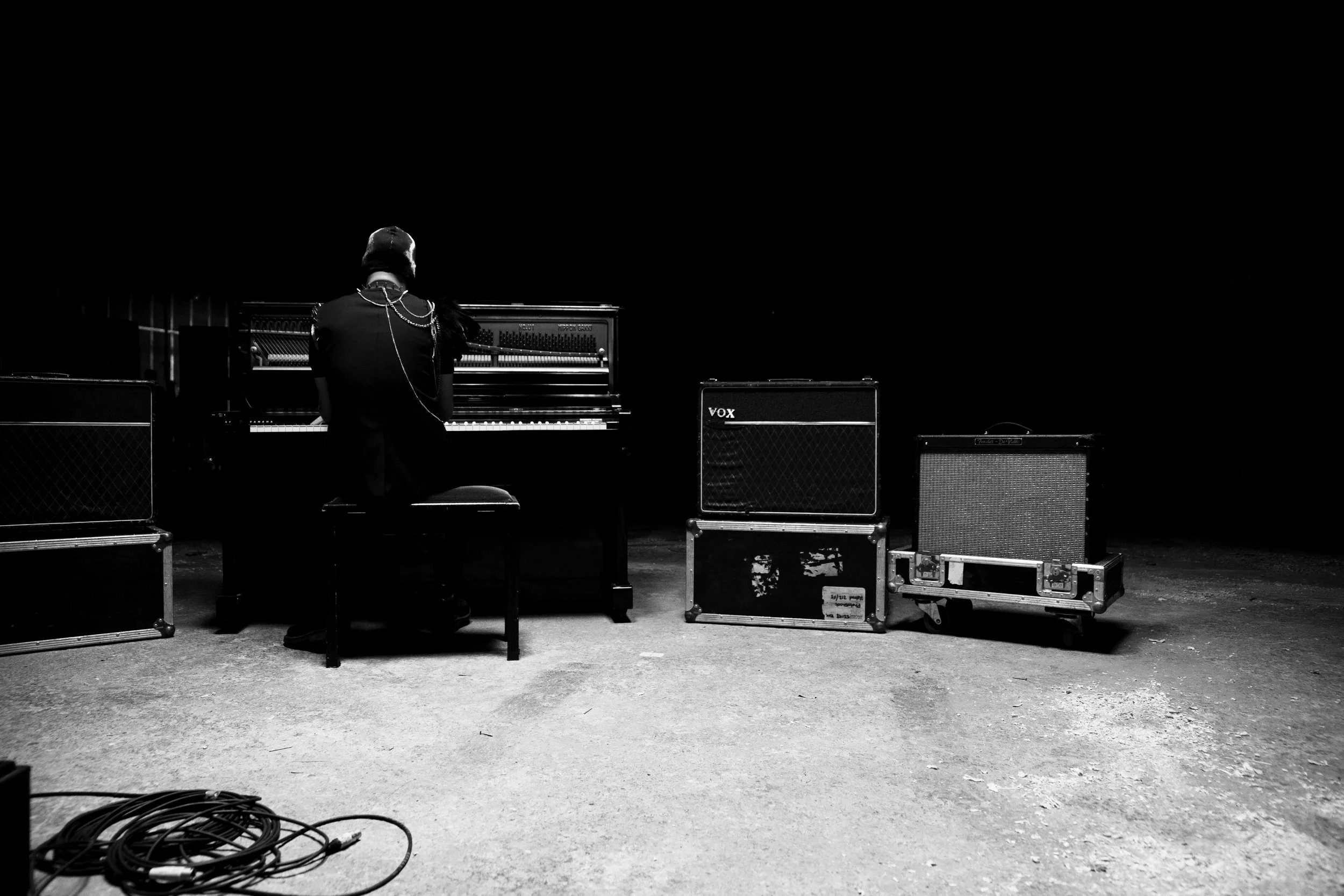
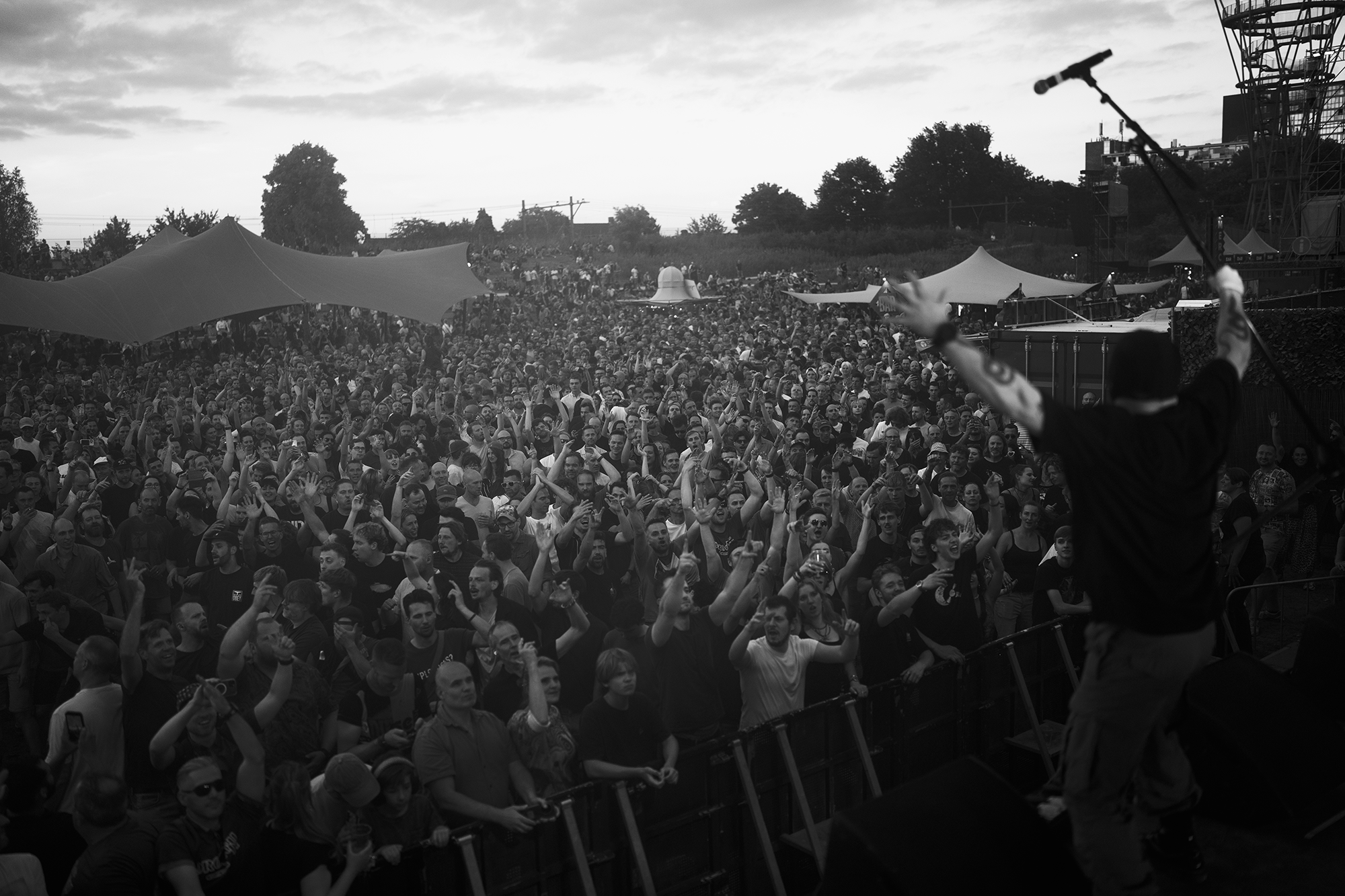
By 2010, the project had become The Bloody Beetroots Death Crew 77 — a live band with guitars, drums, bodies, sweat, and all the problems that come with doing things the hard way.
Less convenient.
More expensive.
More dangerous.
Better.
Because some music needs to be performed by people who can actually bleed on it.
The move did not kill the DJ set. It gave it more teeth. From that point on, The Bloody Beetroots existed in two forms: the controlled violence of the DJ set and the full physical impact of the live band.
Both were real.
Both were necessary.
From Rombo to Cornelius, from Warp 1.9 to Church of Noise, from underground rooms to major festival stages, the project kept expanding without becoming polite.
That is harder than it sounds.
Most things get larger and lose their accent. The Bloody Beetroots got larger and kept the scar.
The collaborations came with time. Steve Aoki. Paul McCartney. Tommy Lee. Jet. Tom Morello. Perry Farrell. Refused. Bob Vylan. And many others.
But the guest list was never the story.
The story was what happened when those people entered the machine. Some brought history. Some brought danger. Some brought melody. Some brought gasoline.
Rifo used all of it.
Not to soften the project, but to stretch it.
There has always been a strange balance inside The Bloody Beetroots. Brutality and control. Noise and composition. Street instinct and almost religious attention to form.
That balance is probably why the project survived.
It was never only electronic music.
Never only punk.
Never only a mask.
Never only a stage act.
It became a world because it had to.
Music, photography, design, comics, clothes, objects, videos, archives, side projects, live rituals — all of it grew from the same root. Not marketing. Not decoration. Root.
Bassano remained one pole. Los Angeles became the other. Italy gave the project its bones. California gave it scale, velocity, and a wider battlefield.
Between those two places, Rifo kept building.
Sometimes through records.
Sometimes through performances.
Sometimes through images.
Sometimes through silence, rebuilding the machine while everybody else was busy explaining themselves online.
There is another side to the story too.
Penny Rimbaud of Crass became an important figure in Rifo’s life — not as some convenient punk credential, but as a deeper kind of compass. A reminder that rebellion without awareness becomes theatre. That noise means more when the person making it knows what silence costs.
That matters.
Because The Bloody Beetroots has always looked violent from the outside. But underneath the violence there is discipline. Under the mask, there is method. Under the noise, there is a man still trying to turn pressure into form.
The work is not nostalgia.
It is not a comeback.
It is a long argument with time, taste, fashion, fear, fatigue, and every industry rule that tries to make dangerous things easier to sell.
The Bloody Beetroots is still here because it was never designed to behave.
And the work goes on.